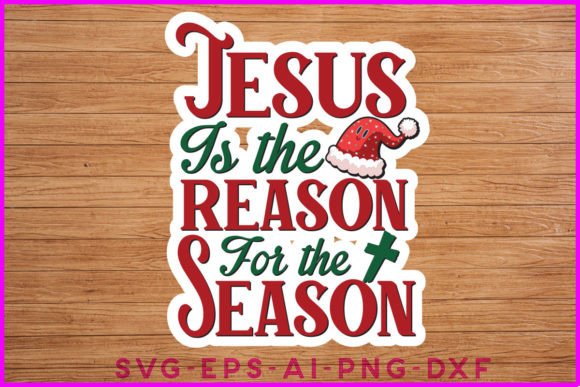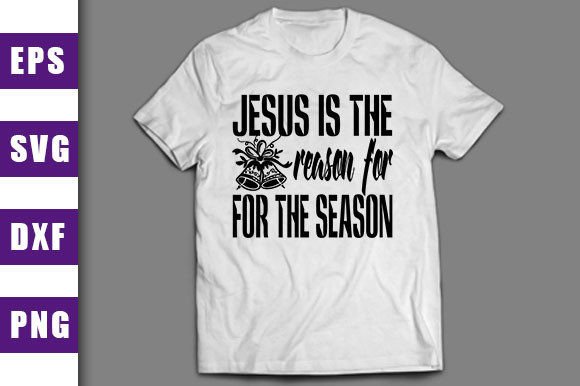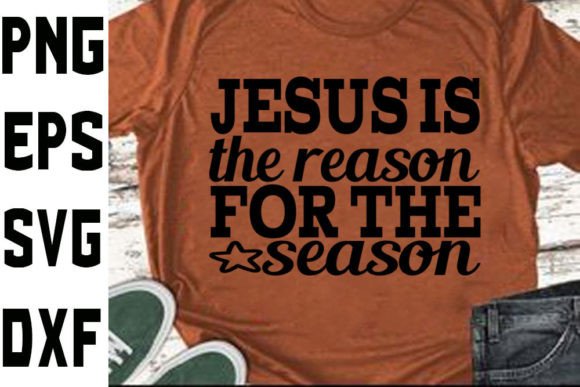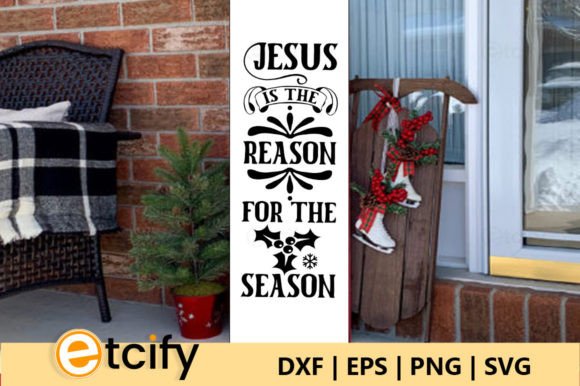
Jesus is the Reason for the Season Porch: Graphics & Crafts
As a digital publisher and blog designer, my first interaction with any new asset is strictly editorial. Before I even consider cutting files or color palettes, I ask whether a design can carry the weight of a content strategy. When reviewing Jesus is the Reason for the Season Porch, the immediate impression is one of warm, traditional hospitality. This graphic design asset does not scream for attention; rather, it invites the reader into a narrative space. It establishes an editorial mood that is distinctly lifestyle-focused, feminine, and deeply seasonal without feeling chaotic or overly commercial.
For content creators operating in the faith-based, holiday decor, or family lifestyle niches, this visual tone is critical. It signals to the reader that the content within is safe, celebratory, and rooted in tradition. The illustration style suggests a modern farmhouse aesthetic, which currently dominates Pinterest trends and affiliate marketing blogs in the home decor sector. As a website header or featured image, it creates an instant emotional connection, reducing bounce rates by assuring visitors they have landed on a relevant, high-quality resource page.
Translating Craft Assets into Editorial Visual Hierarchy
The primary challenge when using craft-oriented graphics for web publishing is maintaining professional polish. A file designed for vinyl cutting must be reimagined for screen resolution and visual hierarchy. Jesus is the Reason for the Season Porch succeeds here because its composition allows for negative space. In editorial design, negative space is where your headline lives. This asset provides a balanced focal point that leaves ample room for typography, ensuring your blog graphics remain readable on both desktop monitors and mobile devices.
When integrating this into a real publishing workflow, I recommend treating the SVG elements as modular components rather than a static stamp. For a digital guide or lead magnet cover, you might isolate the porch element to create a border, placing the title text centrally. This approach elevates the asset from a simple decoration to a structural element of your brand identity. It supports content performance by creating a consistent visual language across your newsletter banners, category thumbnails, and social media previews. Readers begin to associate this specific artistic style with your trusted voice, improving recognition and click-through potential over time.
Strategic Placement Across Digital Publishing Channels
Versatility is the hallmark of a valuable digital download for publishers. Based on my testing, this asset performs exceptionally well in specific high-visibility areas:
- Pinterest Pins: The vertical orientation of many porch-style illustrations fits the 2:3 aspect ratio perfectly. Use it as a background texture with high-contrast white text overlays to drive traffic to holiday gift guides or devotional posts.
- Website Headers: As a hero image for a seasonal landing page, it sets the theme immediately. Pair it with a clean sans-serif font to balance the decorative nature of the illustration.
- Printable Design Products: Since the source includes vector files, this is ideal for creating value-added content upgrades like holiday cards, scripture wall art, or party invitations that readers can download in exchange for their email address.
- Affiliate Marketing Visuals: Use the graphic to frame product collages. If you are reviewing outdoor Christmas lights or doormats, this asset provides a thematic container that makes affiliate products feel like part of a curated lifestyle rather than a hard sell.
However, strategic restraint is equally important. There are environments where Jesus is the Reason for the Season Porch should be used carefully. Avoid using it as a small mobile thumbnail where intricate details will blur into unrecognizable shapes. It is also less suitable for text-heavy blog images where the illustration competes with long-form copy. Furthermore, if your site employs a stark, minimalist corporate design system, this asset may feel tonally dissonant unless heavily modified. Always prioritize readability and user experience over decoration; the graphic should support the content, not obscure it.
Technical Workflow and Licensing for Monetized Content
From a production standpoint, the inclusion of SVG files for Cricut and Silhouette machines offers unique advantages for hybrid digital-physical businesses. While these are marketed for making t-shirts, stickers, coffee mugs, tumblers, signs, bags, and hats, a digital publisher sees them as scalable vectors for web use. Unlike raster images that pixelate when resized, SVGs maintain crisp edges at any dimension, which is essential for responsive web design and retina displays.
Before deploying this asset on monetized platforms, you must conduct due diligence regarding licensing. Confirm the commercial license terms specifically for digital end products. While you can likely use the design to create physical goods for sale or to enhance your own blog posts, some licenses restrict using the unaltered graphic in digital templates for resale. Understanding these boundaries protects your business and ensures ethical usage within the creative marketplace.
Performance optimization is another non-negotiable step. Raw SVG files can sometimes contain unnecessary metadata or excessive anchor points that bloat file size. Always run the file through an optimizer like SVGOMG before uploading to your media library. Additionally, test the asset in various contexts. Preview it against your site’s actual background colors to ensure sufficient contrast. Place it beside your chosen serif, script, and display fonts to verify typographic harmony. A beautiful illustration fails if it clashes with your body copy or slows down your page load speed.
Enhancing Reader Trust Through Cohesive Creative Design
Ultimately, the value of Jesus is the Reason for the Season Porch lies in its ability to humanize digital content. In an era of AI-generated imagery and generic stock photos, hand-drawn or stylized craft graphics convey authenticity. They signal that a real person curated this content with care. For small business branding and personal blogs, this perceived effort translates directly to reader trust.
When used effectively in content marketing, this asset does more than fill empty space. It reinforces the message that "Jesus is the reason," aligning your visual presentation with your editorial mission. Whether you are designing a Canva template for Instagram stories, formatting a holiday eBook, or creating a festive email signature, the consistency provided by this graphic anchors your audience's experience. It transforms disparate pieces of content into a unified seasonal campaign.
For the experienced publisher, this asset represents a bridge between the crafting community and professional digital media. It respects the origins of the design while offering the flexibility required for modern web standards. By applying rigorous editorial judgment and technical best practices, you can leverage this graphic to create content that is not only visually stunning but also strategically effective. The result is a website and social presence that feels polished, purposeful, and profoundly connected to the season it celebrates.