Even Jesus Drank Wine: An Embroidery Design Review
As a professional embroidery designer and product reviewer, I approach every new digital asset with a specific question: will this actually stitch out well on real fabric? When evaluating Even Jesus Drank Wine, my focus shifts immediately from the screen to the hoop. This design carries a distinct personality that blends reverence with relatable humor, making it a unique candidate for specific niches within the Crafts category. However, because this item is a DIGITAL download and NO physical items are sent, the success of your final project relies entirely on how you interpret and execute these Graphics files. Having reviewed the included SVG, PNG, AI, and EPS formats, I want to share my practical assessment of how this design performs in a commercial or hobbyist embroidery setting.
First Impressions and Visual Personality
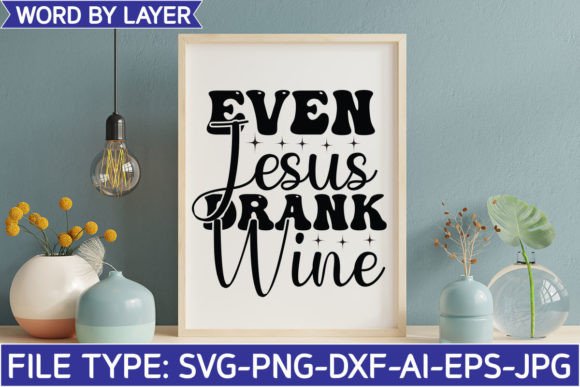
The phrase "Even Jesus Drank Wine" evokes a specific mood that balances faith-based messaging with social warmth. Visually, designs with this sentiment typically rely on elegant typography paired with illustrative elements like grapes, vines, or glassware. From a digitizing perspective, this combination is excellent but requires careful handling. The text needs to be legible at various sizes, while the accompanying graphics must not overwhelm the message. As an experienced reviewer, I appreciate that the provided Adobe Illustrator (AI) source file allows for vector manipulation. This is crucial for embroidery because it means you can adjust line weights or simplify details before converting to stitches, ensuring the design maintains its integrity whether it is placed on a delicate tea towel or a heavy canvas tote bag.
Real-World Application: Stitching a Custom Tote Bag
To truly understand the value of this machine embroidery design, I mentally walked through a recent client project involving custom wine tote bags for a church women’s retreat. This scenario is where Even Jesus Drank Wine shines brightest. Tote bags offer a stable, medium-weight canvas that holds satin stitch borders and fill stitch lettering exceptionally well. In this real-life application, the design serves as both a personalized gift and a functional accessory.
When preparing this embroidery project, I considered the end user. The recipient wants something that feels handmade yet professional. Using the transparent 300 DPI PNG file, I was able to create accurate printable mockups to show the client exactly how the thread colors would interact with the natural cotton fabric. This step is vital for Etsy sellers and small shop owners; showing a realistic preview builds customer trust before a single needle penetrates the fabric. For the actual stitching, the layered SVG format proved invaluable. Being able to separate word-by-word layers meant I could assign different thread colors to the text versus the decorative elements, creating depth and visual interest that flat, single-color designs often lack.
Navigating Fabric Choices and Stabilizer Needs
While this design has strong potential, it demands respect for fabric physics. Not all textiles are created equal, and Even Jesus Drank Wine will behave differently across materials. If you are planning sweatshirt embroidery, you must account for the stretch and pile of fleece. A cutaway stabilizer is non-negotiable here to prevent the lettering from distorting or sinking into the fabric texture. Conversely, if you are working on baby embroidery or lightweight linens, the stitch density becomes a critical factor. Heavy fill stitches on thin fabric can cause puckering or tearing.
I always advise testing the design on scrap fabric first. Check whether the running stitch outlines align perfectly with the fill areas after washing. For kitchen towels or aprons, which face frequent laundering, ensure the stitch density is sufficient to withstand wear without becoming bulletproof or stiff. The EPS file included in this download is particularly useful here, as it preserves vector precision when resizing for these varied applications. Remember, resizing an embroidery file too drastically can alter stitch counts and compromise quality, so use your software’s recalculation features wisely.
Commercial Viability for Makers and Sellers
For creative entrepreneurs and Etsy sellers, time is money. This digital embroidery file offers versatility that supports multiple revenue streams. Beyond finished products, the high-resolution assets allow for the creation of digital product previews and boutique branding materials. The clean lines and relatable theme make it suitable for holiday embroidery collections, wedding gifts, or everyday custom apparel. However, professionalism hinges on execution. A sloppy stitch-out damages brand consistency just as much as a poor photo does.
When listing finished products derived from this design, emphasize the handmade nature and the thoughtful message. Buyers engaging with faith-based or humorous decor are looking for connection. Use the AI or SVG files to create cohesive branding across your shop, ensuring that your packaging, tags, and web presence match the aesthetic of the embroidered patch or garment. Always confirm licensing terms before selling; while the files are yours to use, understanding the boundaries of commercial embroidery usage protects your business long-term.
Technical Considerations and Designer Notes
Before you load Even Jesus Drank Wine into your machine, run through this practical checklist to ensure a premium finished product:
- Verify Hoop Size: Confirm the design dimensions fit your hoop with adequate margin for stabilization. Do not force a large design into a small hoop by shrinking it excessively, as this compromises stitch clarity.
- Thread Color Contrast: Test color combinations on both light and dark fabric backgrounds. White text on cream fabric may look elegant digitally but disappear physically. Ensure sufficient contrast for readability.
- Stitch Density Check: Inspect the design in your embroidery software. If the satin stitch columns are too wide for your machine or fabric type, consider splitting them or converting to fill stitch to prevent thread breaks.
- Small Detail Inspection: Tiny serifs or intricate vine work may get lost in the stitching process. Simplify these elements in the vector file before digitizing to maintain crisp edges.
- Mockup Validation: Use the 300 DPI PNG to test black and white mockups. If the design reads well in grayscale, your value contrast is likely strong enough for colored threads.
Elevating the Handmade Standard
Ultimately, Even Jesus Drank Wine is more than just a collection of digital files; it is a foundation for meaningful creation. Whether you are crafting a personalized gift for a friend or building inventory for a craft fair, the quality of your output reflects your dedication to the craft. By leveraging the editable AI and SVG formats, respecting fabric limitations, and prioritizing thorough testing, you transform a simple graphic into a cherished textile artifact. This design invites us to celebrate both faith and fellowship, and when executed with technical precision, it becomes a testament to the enduring art of embroidery. Take the time to understand these assets, and they will serve your creative business faithfully.